
全站搜索
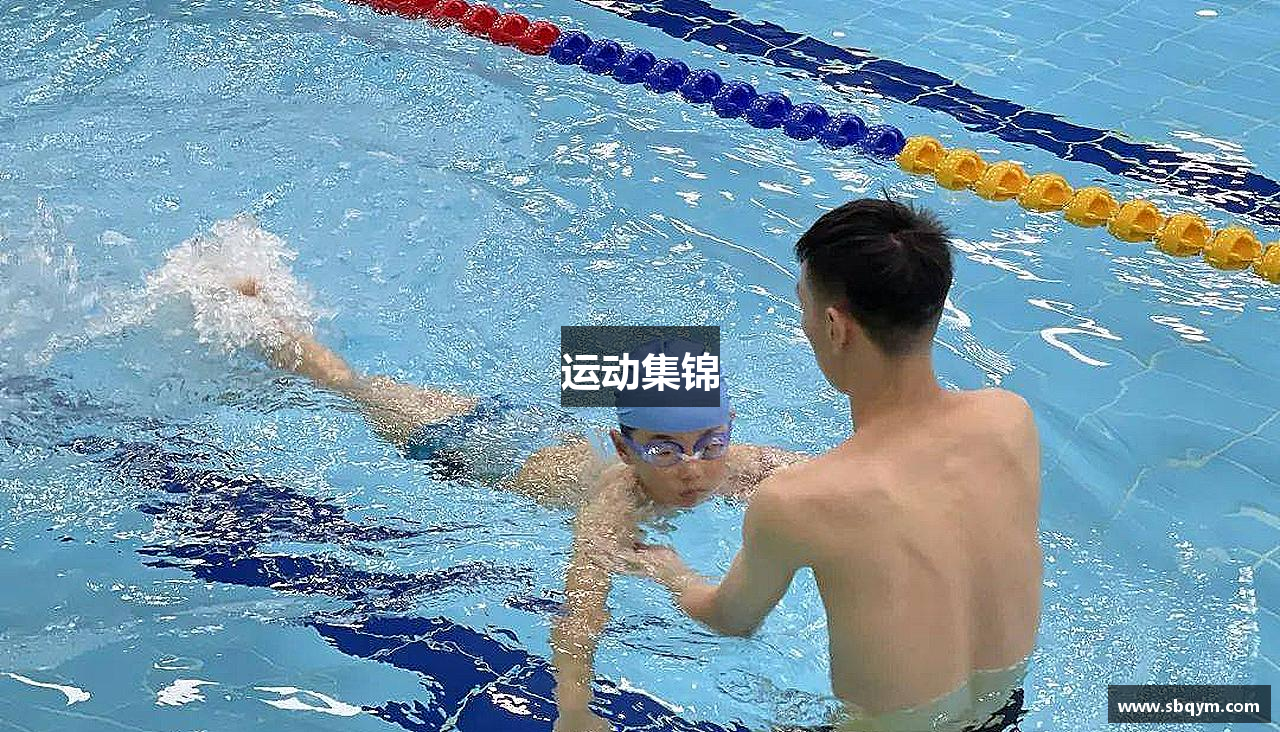
In this article, we will explore the secrets behind winning the gold in butterfly swimming at the Olympics. From the training regimen to mental preparation, we will delve into the factors that contribute to the success of these champion swimmers.
Training for butterfly swimming requires a high level of intensity and dedication. Swimmers must focus on developing strength in their core, shoulders, and legs to execute powerful kicks and strokes. They often spend hours in the pool each day, perfecting their technique and building endurance.
Additionally, cross-training activities such as weightlifting and yoga are incorporated into their routine to improve overall fitness and prevent injuries. This rigorous training schedule helps swimmers become faster and more efficient in the water.
Moreover, working with experienced coaches who provide personalized feedback and guidance is crucial for refining technique and setting realistic goals for competition.
A proper nutrition and recovery plan is essential for swimmers to perform at their best during training and competitions. They must fuel their bodies with the right balance of carbohydrates, proteins, and fats to maintain energy levels and support muscle recovery.
Hydration is also key, as staying well-hydrated helps swimmers regulate their body temperature and prevent cramps during intense workouts. Some swimmers may work with nutritionists to create customized meal plans that meet their specific dietary needs and training demands.
Furthermore, implementing effective recovery strategies such as ice baths, massage therapy, and adequate sleep is crucial for reducing muscle soreness and optimizing performance in the pool.
Aside from physical training, mental toughness plays a significant role in the success of butterfly swimmers. Maintaining focus and confidence under pressure is essential for performing well in high-stakes competitions like the Olympics.
To cultivate mental resilience, swimmers may engage in visualization techniques, meditation, and positive self-talk to enhance their mindset and build mental strength. Some athletes work with sports psychologists to develop coping strategies for managing stress and anxiety before races.
Moreover, setting realistic goals, being adaptable to changes, and learning from setbacks are all important aspects of developing a strong mental game for competitive swimming.
Having a supportive team and training environment can greatly impact a swimmer's success in butterfly swimming. Training alongside motivated teammates who push each other to achieve their best can create a competitive but positive atmosphere that fosters growth and improvement.
Coaches, trainers, and support staff also play a crucial role in providing the necessary resources and guidance for swimmers to excel. They create a structured training program, offer technical feedback, and provide emotional support to help athletes navigate the ups and downs of their athletic journey.
Furthermore, the camaraderie and unity within the team can boost morale and create a sense of community that motivates swimmers to strive for greatness both individually and collectively.
hth电脑In conclusion, winning the gold in butterfly swimming at the Olympics requires a combination of intense training, proper nutrition, mental toughness, and a supportive team environment. By honing their skills both in and out of the pool, champion swimmers are able to achieve their ultimate goal of standing atop the podium.
销售热线
营销一部(传统产品):王部长 15371160678
营销二部(光伏焊带):曹部长 13921871003
电子邮箱
xuetingjun063@126.com
公司地址
山东省临沂市黄河大道698号
